





11 Nov Quality counts and reputation is everything
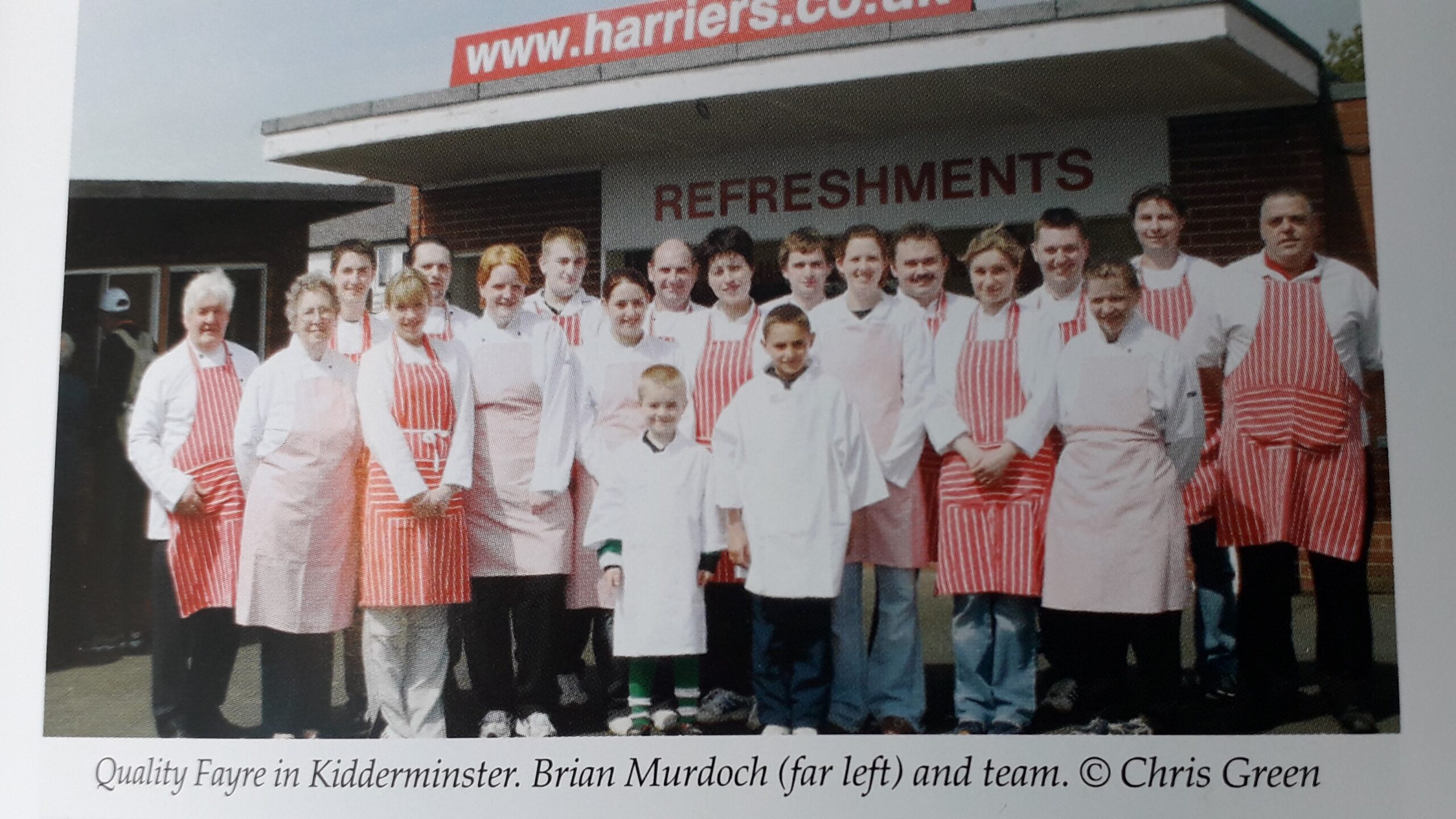
The passing of Brian Murdoch, the legendary caterer at Kidderminster Harriers for some 57 years, is an apt reminder of why quality counts and reputation is everything.
Brian’s admirable approach flew in the face of fashion in ways that the good burghers of modern football, who know the price of everything but the value of nothing, will never understand.
Brian’s hearty vision of quality was literally baked into the food he prepared and served rather than the soulless soggy, tasteless, over-priced mess the purveyors of top-level modern football clubs chuck across the counter.
The supposedly slick football marketers with their MBAs fail to learn is a simple business lesson – how to leverage and upsell to a captive market not by ripping them off and offering the least, but doing you best, and providing the most – offering quality and putting your heart and soul into the matchday experience.
Daft excuses are often proffered as to why this isn’t possible – why each and every stadium has to be uniformly similar as deals are struck with mass market stadium caterers so they can clone catering counters across the nation.
They pour scorn on the likes of Brian Murdoch, whose reputation was built bottom up, from selling burgers as a street vendor to gaining the gig to cater at Kidderminster Harriers in 1963.
Brian brought along a vat of soup one day, a much favoured seller at his greasy spoon café in town where he’d later own a hotel and wine bar, which matured and tasted better as the day and the match progressed to become a thing of legend – even the club’s fanzine was named after it.
As Harriers moved up football’s food chain to become a Football League club, so did Brian’s reputation and range of cuisine. Alongside the standard fayre of burgers and hot dogs came cottage pies (served in a silver foil tray with a fork), pasta and even curries with vegetarian options available.
Making the most of his approximate 30 matches a season with a maximum of three hours sales time for each game, Brian and his team, led by son David and daughter Helen, crammed the most they could into those 90 hours, not by being cheap and cheerful but by serving up taste bud tantalising food that kept the cash tills ringing.
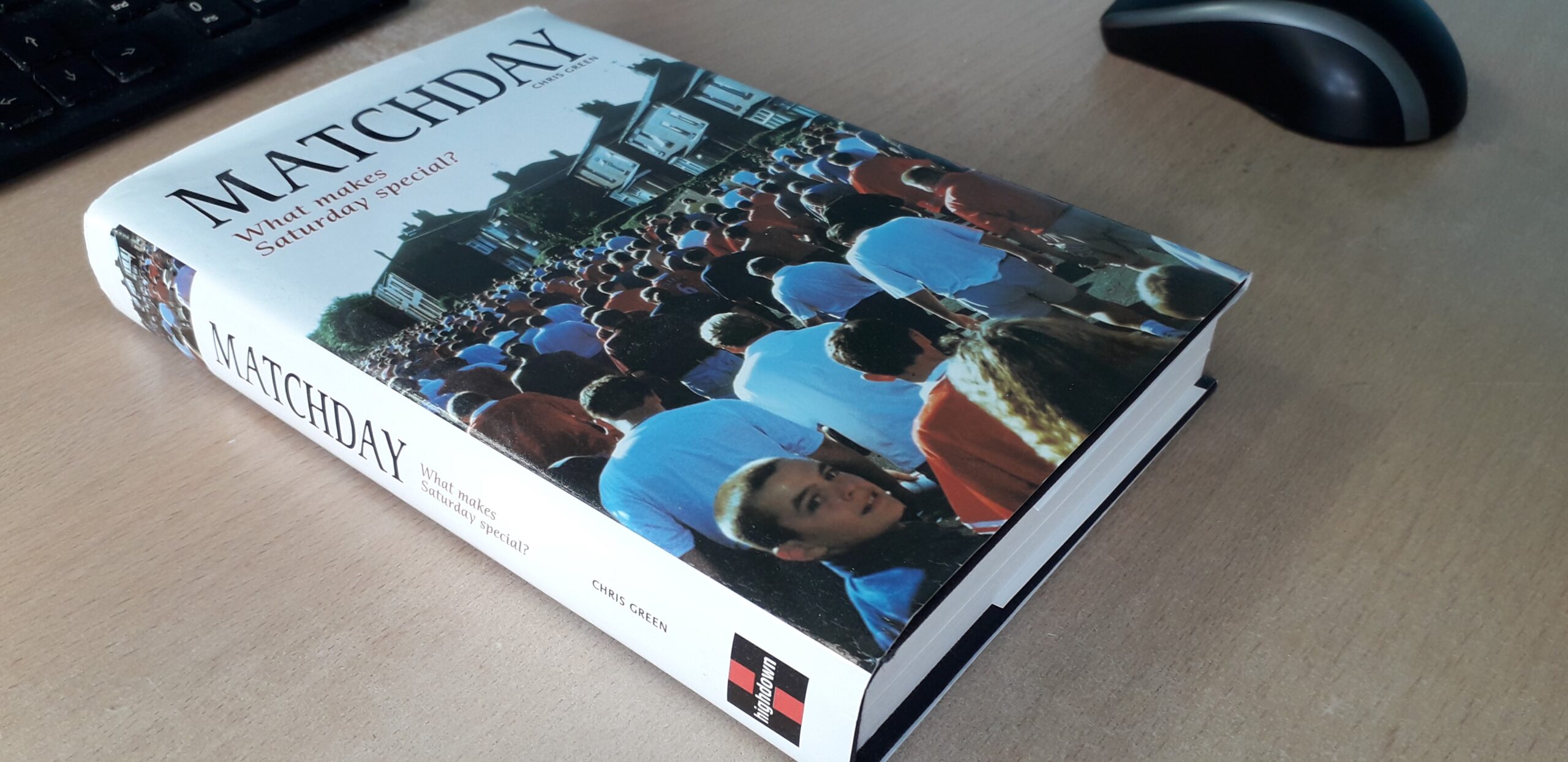
I featured Brian in my 2005 book Matchday – What Makes Saturday Special? – a rumbustious romp through English football at all levels, described by one reviewer as: “The best book ever written about the heart and soul of British football.”
Built around the almost implausible now to conceive classic Saturday 3pm kick off, Matchday featured a cast of thunderously committed characters who each made matchday happen from the top flight games to inner city community schemes.
The book journeyed from the height of the Premier League, including the biggest Premier League gate at the time at Manchester United, where a young fellow-my-lad called Rooney bagged a brace and a somewhat less robust whippersnapper called Ronaldo paraded unpredictably on the wing, to a grassroots game in Hertfordshire watched by 38 frozen souls.
I literally rubbed shoulders with Roman Abramovic, quizzed a tetchy Jose Mourinho and tempted the late great broadcaster James Alexander Gordon to read out, in practice, Tottenham Hotspur 0 West Bromwich Albion 6 (could happen!), in a compendium that squashed the unfolding events of 18 separate Saturdays into one glorious chronological tale that wove a rich tapestry through the national game.
No one suited the mood more than Brian Murdoch and his trusty team at Kiddy. I spent most of my time at Harriers’ home, Aggborough on that clear, cold December day in the away end.
Doing an ad hoc vox pop (Latin for ‘voice of people’ – street interviews, basically) among the 800 Rochdale fans who’d travelled down from Lancashire, most admitted they’d only come for the tucker – “the ground with the good food” as one fan said. Many even sacrificed their familiar pre- match sojourns to a local hostelry to get in the ground early.
On top of a larger than expected gate (more gate money for Kiddy – kerching), many literally ate their way through the match (cash tills ringing for Brian, too).
No arm twisting, ripping off or taking people for granted. Instead they came, they ate, they spent and enjoyed a day out even though their team lost. With bellies full of hearty food and appetites sated, few moaned and none behaved badly.
One guy even slurped his way through eight (yes, eight) cups of Brian’s soup and took another three home for good measure, taking advantage of another Murdoch innovation at the time to elongate the culinary day – a take away service delivered to your seat on final whistle or ready for collection for those on the terraces.
Me? As sunlight gave way to an early night sky on the years’ shortest day, Brian’s son David cooked a warming curry with a pastry casing for good measure. As peppercorns cracked and crumbled in my mouth releasing warmth to ward off the cold, this was simply the best football food ever.
When Matchday was published the following autumn, the BBC’s posh nosh magazine, Olive, sent a reporter and photographer to feature Brian, the sort of coverage gourmet restaurants and artisan eateries daydream about.
After starting Chris Green Media, we held a celebration event called Inspire 2015, assembling an array of speakers I knew would wow the audience with tales of awesome inspiration. Brian was one of my first calls and a panellist on the day. I so wanted people to hear his story of passion and success for he was someone I admired deeply.
Above all else he was a lovely man. Who says nice guys don’t always win?
Well played Brian. You will be sorely missed. RIP.
Chris Green
Sorry, the comment form is closed at this time.